
The sewer line is a critical component of a residential plumbing system. This underground pipe carries wastewater away from the home and connects the property to the municipal sewer system. Every sink, toilet, shower, and appliance that drains water ultimately depends on the proper function of this single line.
When a sewer line begins to deteriorate, drainage problems can affect multiple areas of the home. Because the pipe is buried underground, issues often develop gradually before homeowners notice visible signs inside the property.
For homeowners in Warrenton and throughout Northern Virginia, understanding when sewer line replacement may be necessary helps protect plumbing infrastructure and maintain consistent wastewater flow. Addressing sewer line issues early can help prevent recurring drainage problems and long term system disruption.
Working with a licensed plumbing contractor ensures sewer line replacement is completed safely, follows local plumbing regulations, and is installed for dependable long term performance.
What a Sewer Line Does
A residential sewer line is responsible for transporting wastewater from the home to the municipal sewer system. All household plumbing fixtures eventually connect to this pipe through a network of smaller drain lines inside the home.
These fixtures include:
- Bathroom sinks and toilets
- Showers and bathtubs
- Kitchen sinks and garbage disposals
- Laundry appliances
- Floor drains and other drainage fixtures
Once wastewater leaves the home through the main sewer line, it travels to the public sewer system for treatment and disposal.
Because every drain in the home depends on this system, the condition of the sewer line directly affects how efficiently wastewater flows away from the property.
When the sewer line becomes damaged, blocked, or deteriorated, drainage issues may begin to appear throughout the plumbing system.
Signs a Sewer Line May Need Replacement
Sewer line problems often develop slowly, and early warning signs can appear before the pipe completely fails. Recognizing these indicators can help homeowners address the issue before it leads to more significant plumbing disruptions.
Common warning signs include:
- Multiple drains in the home backing up at the same time
- Slow drainage affecting several plumbing fixtures
- Persistent sewer odors inside or around the property
- Wet, soft, or unusually green areas in the yard
- Frequent sewer line repairs or recurring blockages
In some cases, homeowners may notice gurgling sounds from drains or inconsistent water flow in plumbing fixtures. These symptoms may indicate that wastewater is not moving efficiently through the sewer line.
A professional sewer inspection allows licensed plumbers to evaluate the condition of the pipe and determine whether repair or full replacement is the most effective solution.
Common Causes of Sewer Line Damage
Several environmental and structural conditions can contribute to sewer line deterioration over time. Understanding these causes helps explain why sewer infrastructure occasionally requires replacement.
Aging Sewer Pipe Materials
Older homes in Northern Virginia may contain sewer lines made from clay, cast iron, or other aging materials. While these pipes were once common, they can weaken over time due to corrosion, cracking, or structural fatigue.
As pipes age, the likelihood of leaks, collapses, or internal deterioration increases.
Tree Root Intrusion
Tree roots are one of the most common causes of sewer line damage. Roots naturally seek moisture underground and may grow toward the sewer pipe.
Small cracks or pipe joints can allow roots to enter the system. Once inside the pipe, root growth can expand and obstruct wastewater flow.
Soil Shifting and Ground Movement
Underground plumbing systems are influenced by soil conditions. Seasonal changes, heavy rainfall, and natural ground movement can gradually shift soil surrounding the sewer pipe.
This movement may place pressure on the pipe and eventually lead to cracks, misalignment, or pipe separation.
Corrosion and Structural Deterioration
Wastewater exposure and environmental conditions can gradually weaken certain pipe materials. Over time, corrosion or internal buildup may reduce the structural strength of the sewer line.
As deterioration progresses, the pipe may become vulnerable to leaks, blockages, or collapse.
The Sewer Line Replacement Process
Replacing a sewer line requires careful planning, specialized equipment, and compliance with local plumbing codes. Licensed plumbing professionals evaluate the condition of the existing pipe and determine the safest and most effective replacement approach.
A typical sewer line replacement process includes:
- Performing a sewer camera inspection to confirm the pipe condition
- Identifying the location of the existing sewer line and underground utilities
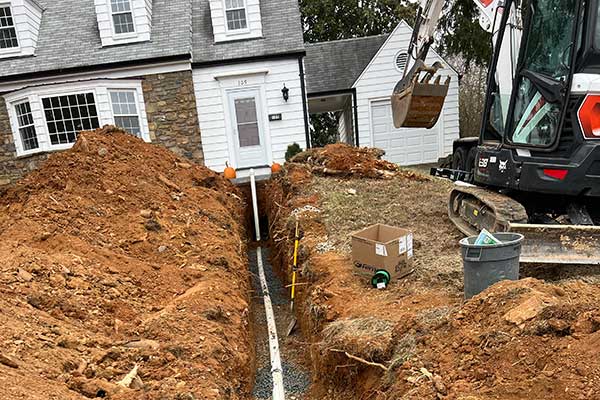
- Excavating the area to safely access the damaged section of pipe
- Removing deteriorated, collapsed, or outdated piping materials
- Installing a new sewer line using approved plumbing materials
- Testing the system to confirm proper wastewater flow
- Restoring the affected ground area or landscaping
Professional installation ensures the new sewer line meets regulatory requirements and supports reliable long term plumbing performance.
Benefits of Professional Sewer Line Replacement
Replacing a deteriorating sewer line can improve the overall performance and reliability of a home’s plumbing system.
Professional sewer line replacement provides several practical benefits for homeowners.
These benefits include:
- Reliable wastewater removal from the home
- Reduced risk of recurring drain backups
- Compliance with modern plumbing installation standards
- Improved long term stability of the plumbing system
- Professional installation designed for durability and performance
A properly installed sewer line supports consistent drainage and reduces the likelihood of repeated plumbing disruptions.
Choosing a Qualified Plumbing Contractor
Sewer line replacement is a complex project that requires excavation, plumbing expertise, and compliance with local permitting requirements. Selecting a qualified contractor helps ensure the work is completed safely and correctly.
When evaluating plumbing contractors, homeowners should consider:
- Proper licensing and insurance
- Experience with residential sewer infrastructure
- Knowledge of plumbing codes in Northern Virginia
- Structured inspection and installation procedures
- Professional communication and reliable service availability
Morgal Plumbing Industries is a licensed and insured Class A plumbing contractor serving Warrenton and surrounding Northern Virginia communities. The company provides professional sewer line replacement services that follow established plumbing standards and support reliable wastewater flow for residential properties.
Maintaining Confidence in Your Home’s Sewer System
A properly functioning sewer line is essential for maintaining dependable drainage throughout the home. When wastewater flows efficiently through the plumbing system, household fixtures operate reliably and drainage remains consistent.
If warning signs appear, a professional sewer inspection can determine the condition of the pipe and identify whether repair or replacement is necessary. Addressing the issue early helps maintain system reliability and protects the plumbing infrastructure of the property.
Working with experienced plumbing professionals ensures sewer line replacement is completed safely, in compliance with local regulations, and designed for long term system performance.

Request an Estimate
If you are experiencing repeated drainage issues or suspect a problem with your sewer line, professional evaluation can help identify the underlying cause.
Morgal Plumbing Industries provides sewer line replacement services in Warrenton and throughout Northern Virginia. The company focuses on dependable installation practices and professional plumbing solutions for residential infrastructure.
Contact the team to request an estimate or schedule service.